

In an unpredictable world where safety is no longer guaranteed, professional armed officers have become a crucial part of maintaining order and protecting lives. From schools and shopping centers to corporate offices and public venues, these professionals serve as the front line of defense, ensuring peace through presence, preparation, and precision.
Security isn’t just about reacting when something goes wrong; it’s about preventing it from happening in the first place. That’s where the professionalism of trained officers makes all the difference.
Professional Armed Officers: A Modern-Day Necessity
Gone are the days when security simply meant having someone in uniform standing by the door. Today’s professional armed officers are highly trained specialists, capable of assessing risks, diffusing threats, and responding effectively in emergencies.
Their role extends far beyond deterrence; they are trusted protectors who combine situational awareness with the ability to make quick, ethical decisions under pressure. These officers are trained in everything from firearms safety and tactical response to communication and crowd management.
What sets them apart is discipline. Professional armed officers undergo continuous training that refines both technical and emotional intelligence, knowing not only how to act but when to act.
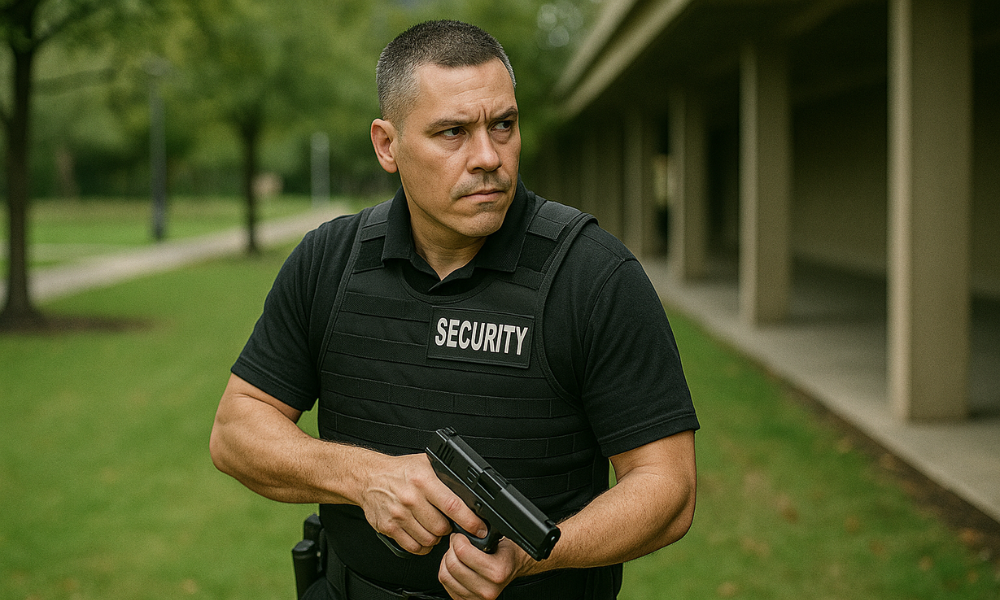
Professional Armed Officers vs. Professional Unarmed Officers
While professional armed officers provide strong deterrence and immediate response capabilities, professional unarmed officers play an equally important, though often underestimated, role in maintaining safety.
Unarmed officers focus on prevention through visibility, observation, and communication. They monitor entry points, identify unusual behavior, and de-escalate conflicts before they turn into incidents. Their presence alone often creates a sense of order and reassurance for employees, residents, and visitors.
In fact, in environments such as hospitals, schools, and retail centers, an unarmed officer’s calm and approachable demeanor is more effective than an armed presence. The key is balance, understanding which type of protection suits which situation.
The Human Side of Security
Behind every uniform is a person who chooses to stand between danger and safety. The work of professional armed officers and unarmed officers requires courage, empathy, and strong moral grounding.
These officers face unpredictable situations daily, from medical emergencies and theft prevention to crisis management, all while maintaining professionalism and respect. Their mission isn’t just to enforce security; it’s to protect people with compassion and confidence.
Modern officers also serve as community connectors, often being the first to interact with the public during emergencies. Their communication skills, awareness, and ability to stay composed are just as critical as their tactical training.
Training and Ethics: The Foundation of Trust
The credibility of any security professional begins with proper training. Licensed professional armed officers must complete extensive programs that cover state laws, weapons handling, conflict resolution, and situational response.
Similarly, unarmed officers receive education on observation techniques, access control systems, and communication strategies. The most effective security organizations invest heavily in continuous education, ensuring every officer stays sharp, ethical, and ready.
But training alone isn’t enough. The best officers operate under a code of integrity. They understand that each action reflects on the client and the broader community. That sense of accountability is what transforms a “guard” into a true professional.
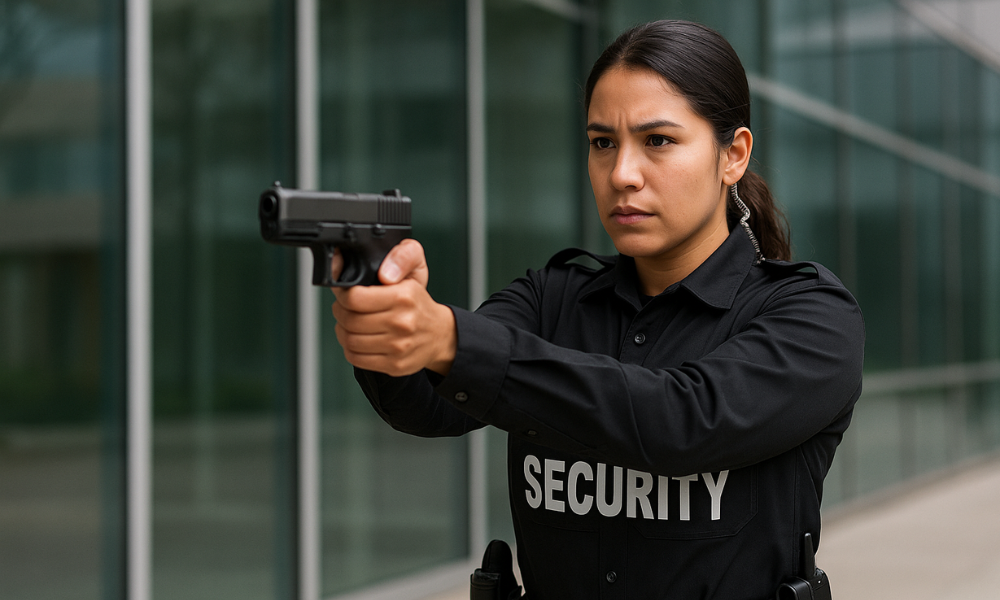
Adapting to Modern Security Challenges
As technology evolves, so do the methods of those who threaten safety. Security professionals now rely on tools like AI-assisted cameras, mobile reporting apps, and remote monitoring systems to enhance situational awareness.
However, no amount of technology can replace the intuition and human judgment of a trained officer. That’s why professional armed officers remain an essential part of modern security strategy. They combine data-driven tools with real-world experience to anticipate and neutralize risks before escalation.
If you’d like to learn more about the evolution of the security industry and the factors driving its growth, explore our related article:
The Growing Demand for Private Security in California
Building Safer Communities Through Professionalism
Professionalism is the bridge between authority and trust. Communities that rely on trained officers report fewer incidents, higher compliance, and a stronger sense of safety. Whether armed or unarmed, these officers play an invisible yet invaluable role in creating environments where people can live, work, and thrive without fear.
As awareness grows and threats evolve, the demand for competent and ethical officers continues to rise. Businesses, schools, and residential communities are realizing that real safety requires preparation, not reaction. And that preparation begins with hiring professionals, not just personnel.
For a deeper look into international security training standards and officer certification programs, visit International Foundation for Protection Officers (IFPO).